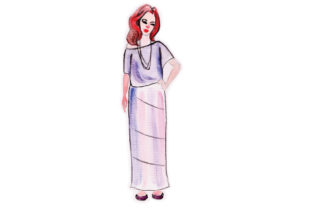
Fashion Sketch in Watercolor Embroidery Review
As a designer who has spent years translating digital files into tangible thread on fabric, I approach every new machine embroidery design with a mix of excitement and skepticism. The gap between a beautiful preview on a screen and the final stitched reality can be vast. Today, I am putting Fashion Sketch in Watercolor through its paces to see if it holds up under the scrutiny of real-world application. This piece, categorized under the Beauty Amp collection, promises an artistic flair that many crafters crave, but does it deliver when you actually pull the hoop?
The First Impression: Art Meets Thread
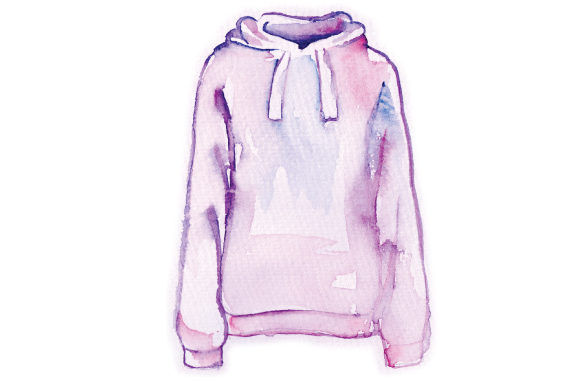
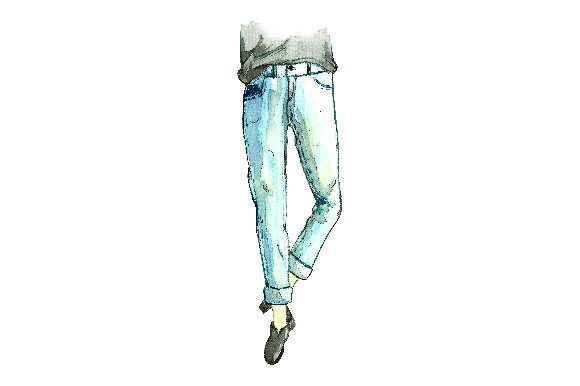
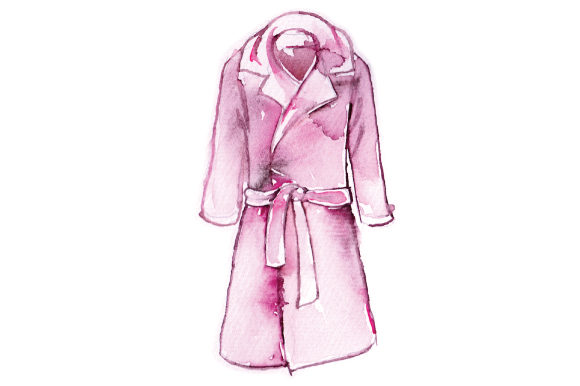
When I first opened the file for Fashion Sketch in Watercolor, the visual personality was immediately striking. It captures that fleeting, fluid mood of a quick artist's sketch, blending soft edges with deliberate lines. In the world of embroidery, watercolor effects are notoriously difficult to replicate because thread is inherently structured, whereas paint is fluid. However, this design attempts to bridge that gap using a clever interplay of fill stitch and running stitch. The layout feels organic, avoiding the rigid symmetry that often plagues commercial patterns. It evokes a sense of creativity and movement, making it a strong candidate for projects where you want to convey a boutique, handmade aesthetic rather than a mass-produced look.
A Real-World Test: The Custom Tote Bag Scenario
To truly evaluate this embroidery file, I imagined a specific client project: a high-end, canvas tote bag for a local art gallery or a creative boutique owner. These bags need to stand out on a crowded shelf while maintaining a sophisticated vibe. If I were stitching Fashion Sketch in Watercolor onto a natural cotton canvas, the contrast would be stunning. The soft, blended colors of the watercolor effect would pop against the neutral background, creating a focal point that draws the eye without overwhelming the viewer.
In this scenario, the design transforms a simple utility item into a statement piece. Customers buying from an Etsy seller or a small shop often look for unique storytelling elements. A tote bag featuring this sketch suggests a connection to art and fashion, elevating the perceived value of the product. Unlike a standard logo or text-based design, this image invites conversation. It feels like a personalized gift that carries weight and intention, perfect for holiday gifts or wedding favors where the recipient appreciates artisanal details.
Navigating Fabric Challenges and Stitch Density
While the potential is high, practical experience tells us that not all fabrics play nice with complex artistic designs. Fashion Sketch in Watercolor relies on subtle gradients and fine lines to achieve its watercolor illusion. This means that on textured fabrics like heavy denim or thick wool, some of those delicate details might get lost in the weave. Similarly, on stretchy materials like jersey knit used for sweatshirt embroidery, the tension could distort the fluid shapes unless you use the correct stabilizer.
I strongly advise testing the design on scrap fabric first. Check the stitch density carefully; if the fill areas are too dense, the fabric may pucker, ruining the soft, airy feel of the sketch. Conversely, if the density is too low, the "watercolor" washes might appear patchy. For dark fabrics, you will likely need a backing layer or a different color palette strategy to ensure the lighter tones remain visible. This is where the difference between a professional finish and a mediocre one lies. Always compare light and dark fabric backgrounds before committing to your final run.
Strategic Placement and Product Versatility
This design is incredibly versatile, but strategic placement is key. It works beautifully as a central motif on pillow covers, kitchen towels, or aprons, where there is ample space to appreciate the details. For custom apparel, placing it on the back of a t-shirt or the front pocket of a denim jacket creates a balanced composition. It also translates well into an embroidered patch, which can then be sewn onto hats, backpacks, or even baby clothes for a touch of whimsical style.
However, caution is needed with smaller applications. Attempting to shrink Fashion Sketch in Watercolor into a tiny hoop size for a cap or a small wristband could result in muddy details and broken stitches. The intricate corners and fine lines require a minimum hoop size to render correctly. If you are planning to use this for commercial embroidery on small merchandise, verify the scaling limits to ensure the visual integrity remains intact. Remember, a blurry, pixelated-looking stitch job can damage customer trust and brand consistency.
Practical Notes for Designers and Makers
If you are considering adding this to your library of design assets, here are my top recommendations for success:
- Test Stitches First: Never skip the test run on a scrap piece of your actual production fabric. This saves time and material in the long run.
- Color Contrast Matters: Ensure your thread colors provide enough contrast against the fabric base. The watercolor effect relies on visibility.
- Stabilizer Selection: Use a tear-away stabilizer for stable fabrics and a cut-away or wash-away for knits to prevent distortion.
- Licensing Check: Before selling finished items or digital products, confirm the licensing terms. Some digital embroidery files have restrictions on commercial use.
- Mockup Verification: Create a black and white mockup to check the silhouette and line weight before stitching in full color.
Final Verdict on Value and Appeal
Fashion Sketch in Watercolor is more than just a pattern; it is a tool for elevating your handmade product line. It adds a layer of sophistication that appeals to buyers looking for something beyond the generic. When executed correctly, it enhances the finished product with a sense of artistry that commands a higher price point. Whether you are a hobbyist creating nursery decor or a small business owner building a brand around unique craft business items, this design offers a fresh alternative to traditional motifs.
The key to unlocking its potential lies in preparation. By respecting the limitations of the medium—understanding how thread interacts with fabric texture and managing stitch density—you can turn this digital file into a stunning physical reality. It is a design that rewards patience and attention to detail, making it a worthy addition to any serious embroiderer's toolkit. Just remember to verify the technical specs like hoop size compatibility and file formats before you start your machine, and you will be well on your way to creating exceptional pieces.