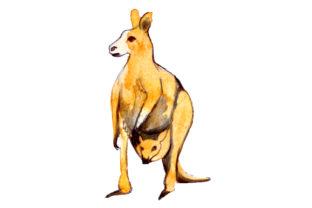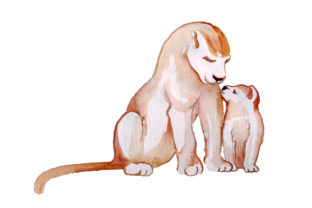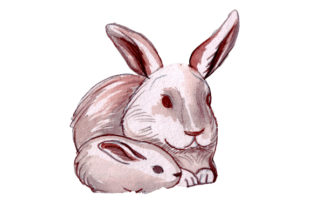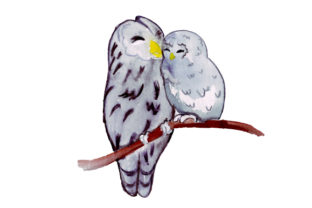
Review: Mom and Baby Donkeys in Watercolor Style
As a designer who has spent years translating digital files into tangible thread, I approach every new machine embroidery design with a mix of excitement and skepticism. The market is flooded with generic patterns, so finding a piece that truly captures a mood without sacrificing stitch integrity is rare. Recently, I pulled up the file for Mom and Baby Donkeys in Watercolor Style to see if it holds up under the scrutiny of real-world application. This isn't just about whether the image looks good on a screen; it is about how the embroidery file behaves when hit by needles at high speed on actual fabric.
The First Impression: Mood and Visual Personality
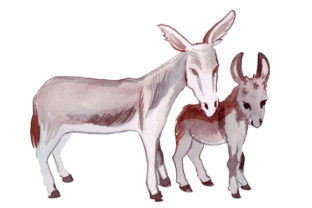
At first glance, Mom and Baby Donkeys in Watercolor Style stands out because it defies the typical hard-edged look of standard animal designs. Most Animals categories are dominated by bold outlines and solid fill stitches that can feel heavy or cartoonish. This design, however, leans into a softer aesthetic. The watercolor effect is achieved through clever layering of translucent fill stitch patterns and varying stitch density. It creates a sense of movement and fluidity that mimics paint bleeding into paper.
For a craft business owner or an Etsy seller, this visual personality is a goldmine. It suggests a handmade, artistic touch rather than mass production. The layout is balanced, with the mother donkey leading slightly ahead, creating a natural flow that guides the eye. This makes it an excellent candidate for personalized gift items where sentiment matters as much as aesthetics. However, the soft edges mean that precision is key; if the registration is off, the watercolor illusion breaks down immediately.
Testing the Design on Real Projects
To truly evaluate Mom and Baby Donkeys in Watercolor Style, I imagined placing it on a few specific products. My primary test case was a heavy-weight organic cotton tote bag. Tote bags are a staple for small shops, but they present challenges due to their texture and the way they drape. When I visualized the tote bag design, the watercolor style worked beautifully against the natural weave of the canvas. The lack of harsh black outlines allowed the fabric texture to peek through, enhancing the organic feel.
I also considered this design for baby embroidery projects, such as a onesie or a nursery pillow cover. The gentle theme of a mother and child fits perfectly here. On a soft fleece blanket or a knit sweatshirt, the design's softer edges would prevent the "plastic" look often seen with dense satin stitch borders. For custom apparel, particularly on a crewneck sweatshirt, the placement on the chest pocket area feels natural. It adds a whimsical, boutique-quality detail that elevates a basic garment into a statement piece.
Another strong use case is the embroidered patch. If you are producing patches for craft fairs, the distinct shapes of the donkeys hold their own even when cut out. The watercolor style gives these patches a unique selling point compared to the thousands of standard animal patches available. They feel like art pieces, which can justify a higher price point in your small shop product lineup.
Navigating Fabric and Hoop Challenges
While the design is versatile, there are specific scenarios where Mom and Baby Donkeys in Watercolor Style requires careful handling. The watercolor effect relies heavily on color blending and transparency. This means using it on dark fabrics is risky without significant modification. On a black t-shirt, the lighter threads might get lost, or the white background fill might dominate the design, ruining the subtle gradient. Always check the thread colors against your intended fabric background before committing to a full run.
Hoop size is another critical factor. Because the design relies on the relationship between the two figures, shrinking it too much will cause the delicate details to blur. If you attempt to fit this into a 4x4 hoop, the stitch density might become too high for thin fabrics, causing puckering. Conversely, on stretchy fabrics like jersey knits, the tension required for the detailed fill could distort the shape. I strongly recommend testing the design on scrap fabric first to ensure the stabilizer choice supports the weight of the thread without distorting the watercolor effect.
Furthermore, avoid using this design on highly textured surfaces like thick denim or corduroy unless you are prepared for the texture to interfere with the smooth gradients. The running stitch elements used to create the watercolor bleed might not sit flat on rough textures, leading to a messy finished product. For curved surfaces like caps, the design's width needs to be managed carefully to avoid distortion around the seam.
Practical Notes for Professional Results
If you decide to integrate Mom and Baby Donkeys in Watercolor Style into your workflow, keep these practical notes in mind to ensure professional results:
- Test Stitch Density: Before running the final job, do a test stitch on a similar fabric. Check if the fill areas are too dense, which can make the fabric stiff, or too sparse, which reveals the backing.
- Stabilizer Selection: Use a tear-away stabilizer for woven fabrics and a cut-away for knits. The watercolor effect needs a stable base to maintain its shape during washing.
- Color Contrast: Review the thread colors in your software. Ensure there is enough contrast between the layers to create depth without losing the soft aesthetic.
- Licensing Check: As a commercial user, always confirm the licensing terms. Ensure you have the right to sell finished items or use the digital embroidery file for client work. Never assume personal use licenses extend to commercial embroidery.
- Mockups Matter: Create printable mockup images for your listings. Show the design on light and dark backgrounds so customers understand how the watercolor style translates to different materials.
Final Verdict on Commercial Viability
In the competitive world of handmade goods, standing out is essential. Mom and Baby Donkeys in Watercolor Style offers a distinct visual language that separates your brand from the sea of generic animal motifs. It speaks to customers looking for something softer, more artistic, and emotionally resonant. Whether you are making holiday embroidery gifts, decorating aprons for a kitchen collection, or creating design assets for a broader catalog, this design has the potential to enhance your product value significantly.
However, success depends on execution. Treat this embroidery project with the care it deserves regarding fabric choice, stabilizer use, and hoop sizing. When done correctly, the result is a finished product that feels premium and thoughtful. For the savvy creative entrepreneur willing to put in the technical prep work, this design is a worthy addition to your library, capable of driving engagement and trust in your brand.