Woodland Animal Watercolor Squirrel Review
A Designer's Take on Stitching Nature into Real Projects
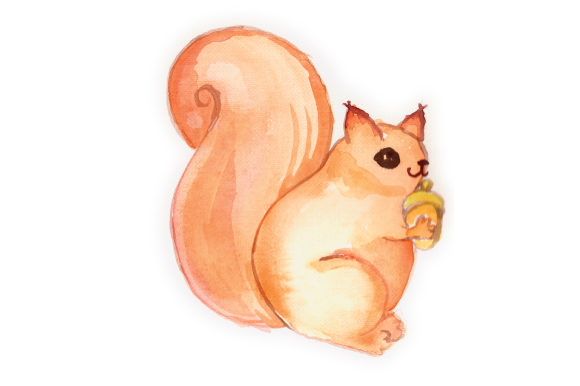
As someone who has spent years navigating the delicate balance between digital art and physical thread, I approach every new machine embroidery design with a mix of excitement and skepticism. When I first opened the file for the Woodland Animal Watercolor Squirrl, my immediate reaction was one of appreciation for its soft, organic aesthetic. In a market often saturated with rigid, cartoonish Animals, this piece stands out by mimicking the fluidity of watercolor paint. However, the real test isn't how it looks on a screen; it is how it translates when stitched onto fabric for a client or a small shop product. Let's dive into what happens when we move this design from the digital realm to a finished product.
The First Impression: Mood and Visual Personality
The Woodland Animal Watercolor Squirrl exudes a gentle, whimsical charm that feels perfectly suited for the current trends in nursery decor and eco-conscious lifestyle brands. The shape is dynamic, capturing the squirrel mid-movement, which adds life to the composition without requiring an overwhelming number of stitch changes. The "watercolor" effect is achieved through clever layering of gradients and perhaps some strategic use of running stitch or low-density fill stitch to create that translucent, painted look. This visual personality makes it an ideal candidate for projects where softness is key, such as baby embroidery or boutique branding for handmade goods.
However, the very thing that makes it beautiful—the soft edges and gradient transitions—also presents a challenge. Unlike a bold, blocky logo, this design relies heavily on color blending to maintain its integrity. If you are planning to use this for custom apparel, you must consider whether your machine can handle the subtle shifts in tone required to replicate the watercolor effect. For an Etsy seller looking to elevate their brand consistency, this design offers a unique selling point, but only if executed with precision.
Real-World Application: From Tote Bags to Sweatshirts
Let's imagine a specific scenario: I am preparing a line of custom embroidered tote bags for a local craft fair. These bags need to be durable, visually appealing, and quick to produce. The Woodland Animal Watercolor Squirrl would be a fantastic centerpiece here. On a natural canvas tote bag, the earthy tones of the squirrel would pop beautifully against the neutral background. The design's layout allows it to sit comfortably in the center of the bag without feeling cramped, making it a versatile tote bag design.
Now, consider a different application: a sweatshirt embroidery project for a holiday collection. Here, the stakes are higher. Sweatshirts have a textured surface, and the fabric stretches. If the stitch density of the squirrel is too high, the fabric might pucker, ruining the soft drape of the garment. Conversely, if the density is too low, the design might not hold up after repeated washing. In this case, I would recommend testing the design on a scrap piece of fleece first. You want to ensure that the delicate details of the squirrel's tail and face remain distinct even when stretched over the curved surface of a shoulder or chest area.
For personalized gifts, such as a pillow cover or a kitchen towel, this design shines. Imagine a set of tea towels featuring the squirrel, paired with a simple monogram. The contrast between the playful animal and the clean typography creates a professional look that appeals to home decorators. The finished product feels thoughtful and curated, exactly what customers expect from a high-end handmade shop.
Navigating Challenges: Fabric, Hoop Size, and Density
While the Woodland Animal Watercolor Squirrl is versatile, it is not without its limitations. One area where caution is necessary is with small hoop sizes. If you attempt to shrink this design significantly to fit a 4x4 inch hoop, the intricate details of the watercolor effect may get lost. The threads could bunch together, turning a soft gradient into a muddy blob. Always check the minimum recommended size before scaling down.
Fabric texture is another critical factor. On smooth cotton or linen, the design will likely look crisp. However, on thick, textured fabrics like denim or heavy wool, the fine lines might get swallowed by the weave. Similarly, on dark fabric, the lighter colors used in the watercolor style might require a backing layer of thread colors or a toner to prevent the design from disappearing. If you are working with stretchy fabric, such as jersey knit, you must use a strong stabilizer to prevent distortion. Without proper stabilization, the squirrel could end up looking warped rather than whimsical.
Another consideration is the frequency of washing. Products like aprons or baby clothes go through the wash often. The delicate nature of the watercolor style means that loose threads or weak stitch anchors could lead to fraying over time. Ensure that the embroidery file includes secure trims and adequate edge stitching to lock everything in place. This attention to detail is what separates a hobbyist project from a commercial-grade item.
Practical Notes for Designers and Business Owners
If you are considering adding the Woodland Animal Watercolor Squirrl to your library of design assets, here are a few practical steps to take before committing to a full production run:
- Test on Scrap Fabric: Never skip this step. Stitch the design on the exact fabric you plan to use to check for puckering and color accuracy.
- Review Thread Color Contrast: The watercolor effect relies on subtle blends. Ensure your thread palette matches the intended look, especially on light versus dark backgrounds.
- Inspect Small Details: Zoom in on the eyes and tail. Are they clear? Do they need adjustment for better definition?
- Check Licensing: Before selling any finished product or digital file, confirm the licensing terms. Some designs are for personal use only, while others allow for commercial sales.
- Create Mockups: Use printable mockups to visualize how the design looks on various products. This helps in marketing and setting customer expectations.
For the craft business owner, this design offers a chance to tap into the ever-popular woodland theme. It works well as a standalone motif or as part of a larger scene. Whether you are creating an embroidered patch for a hat or a large-scale decoration for a blanket, the Woodland Animal Watercolor Squirrl brings a touch of nature and nostalgia that resonates with buyers.
Final Thoughts on Value and Engagement
In the competitive world of handmade goods, visual appeal drives buyer engagement. The Woodland Animal Watercolor Squirrl delivers on this front by offering a unique aesthetic that feels both modern and timeless. It enhances the perceived value of a product, transforming a simple tote bag or t-shirt into a piece of wearable art. Customers trust creators who pay attention to these details, and using a high-quality digital embroidery file demonstrates professionalism.
Ultimately, the success of this design lies in execution. With the right fabric, stabilizer, and technique, it can become a staple in your commercial embroidery portfolio. Just remember to respect the design's nuances, test thoroughly, and always prioritize quality over speed. Whether you are a seasoned decorator or a creative entrepreneur just starting out, this squirrel has the potential to add a delightful splash of color to your next project.